
Water Line Replacement in Denver, CO
Low pressure, rusty water or a leak somewhere between the street and your house often means the supply line is failing. We replace it with new pipe and restore your pressure.
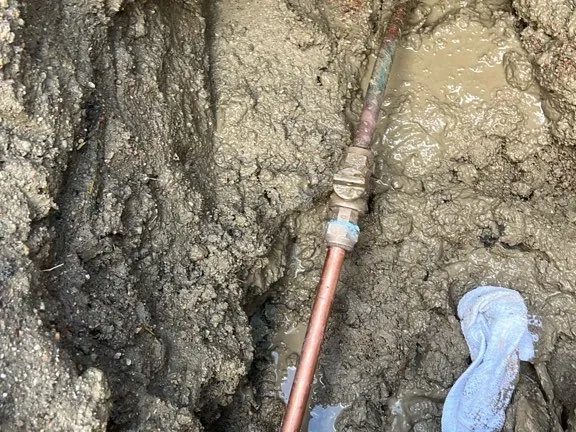
Replacing the buried line that brings water to your house
Your water service line is the pipe that brings water from the main in the street, through the meter, to your house. It is buried, so its problems stay invisible until they show up as low pressure, discolored water, or a wet spot that does not dry. Replacing it means digging to the pipe and installing a new line from the connection point to the house.
Older Denver homes often have older service materials: lead, galvanized steel or early copper, all of which can corrode or fail over many decades. Denver Water has an ongoing program to replace lead service lines across its system, which is one reason homeowners are asking what is buried under their yards.
Ownership of the service line is split between the utility and the homeowner at a point that depends on the provider, and replacement often has to be coordinated with them. We help you work out which part of the line is yours and plan the job around it.
Signs your water line is failing
- Low pressure throughout the house. When every fixture is weak, the supply line may be restricted by corrosion or damaged somewhere along its length.
- Brown or rust-colored water. Especially if it appears at cold taps, which points to corroding pipe somewhere in the supply.
- A wet or sunken area in the yard with no irrigation nearby. A leak in a buried pressurized line surfaces as a soft or spongy spot.
- An unexplained high water bill. A leak running constantly shows up as consumption you did not use.
- The sound of running water when everything is off. A hissing or rushing noise can be a leak on the supply side.
How a water line replacement works
Confirm the problem and the path
We confirm the symptoms point to the supply line, locate where it enters the house and where it connects, and have buried utilities marked through Colorado 811 before digging.
Shut off and excavate
We coordinate the water shutoff, then open a trench along the line, exposing it at the failure point or along its length.
Install the new line
The old pipe is removed or abandoned and a new line is run in the trench, buried deep enough to stay below the frost line, with new connections at both ends.
Pressure test and restore
We turn the water on, check the connections and test the pressure, then backfill the trench and restore the surface we opened.
What affects the cost of a water line replacement
Water line replacement costs depend on how much has to be dug, and what is on top:
Length of the line
The distance from the connection point to your house sets the amount of pipe and digging.
Depth
Lines must be buried deep enough to stay below the frost line, and depth affects digging time.
Surface restoration
Digging through lawn costs less to restore than digging through concrete or asphalt.
Pipe material and connections
The type of replacement pipe and the connections at the meter and at the house affect the price.
Utility coordination
Some work needs the utility's involvement for shutoffs or inspections, which can affect the schedule.
Why Perez Plumbing for water line replacement
Jaime works in the trench: exposing old copper and galvanized supply lines, removing them and running new pipe is a regular part of his work, and he can show you what he sees in the old line.
You get an honest read on whether the problem is in the buried line, the plumbing inside the house, or a pressure issue that a replacement would not solve, before you commit to digging.
Where we do this work
We replace water lines in Denver and in nearby Englewood, Lakewood, Littleton and Aurora.
Water Line Replacement questions, answered
How do I find out whether my water line is lead?
Look at the pipe where it enters your house, near the main shutoff or meter. Lead is dull gray and can be scratched to a shiny silver. Copper is orange-brown, and galvanized steel is gray and magnetic. A plumber can confirm it, and your water provider may also have a record.
Who owns the water service line?
It depends on the provider. Generally the utility owns the main and the connection to it, and the homeowner owns the line from a certain point to the house. Ask your water provider, and we can help you work out where the line to be replaced falls.
Why is my water pressure low even though the water company says pressure is fine?
The main can have good pressure while a corroded or narrowed service line, or a worn pressure regulator at your house, restricts the flow. We look at the line and the regulator before recommending replacement.
How deep does a water line have to be buried?
Deep enough to stay below the frost line, which keeps the water from freezing in winter. The required depth is set by local code and the utility, and we follow it.
Can you replace the line without a big trench?
Sometimes a section can be replaced through smaller access holes, but many jobs need a continuous trench. We can tell you what your line needs once we locate it.
Often needed alongside water line replacement
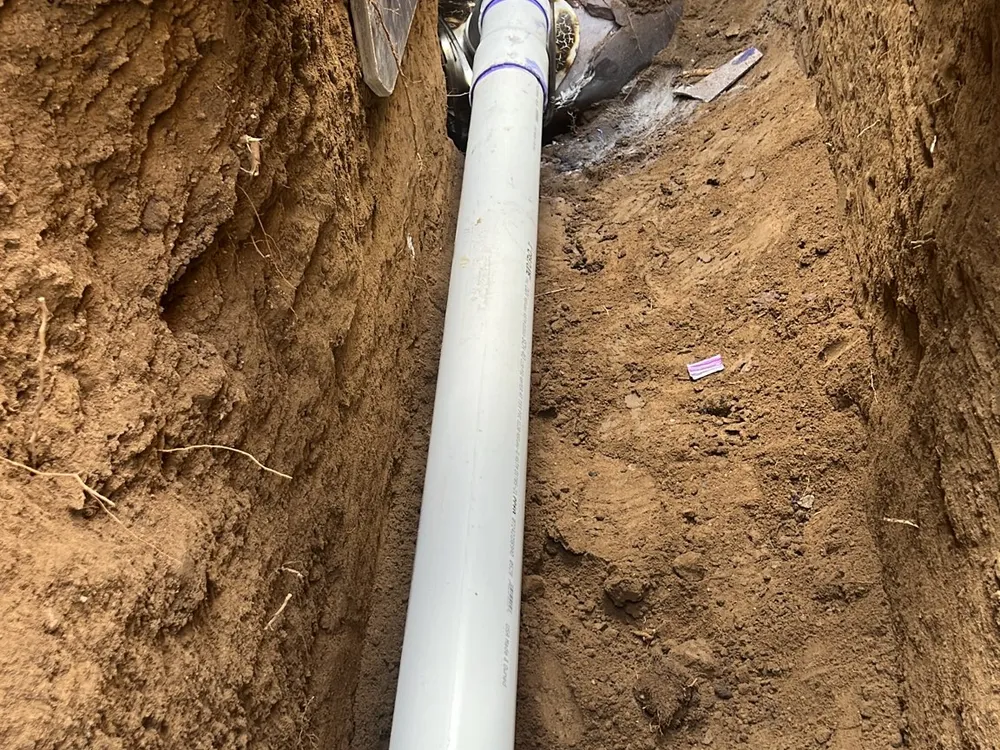
Sewer & Drain Line Replacement
Replace failing clay or iron lines with new PVC, properly sloped and bedded.
Learn more →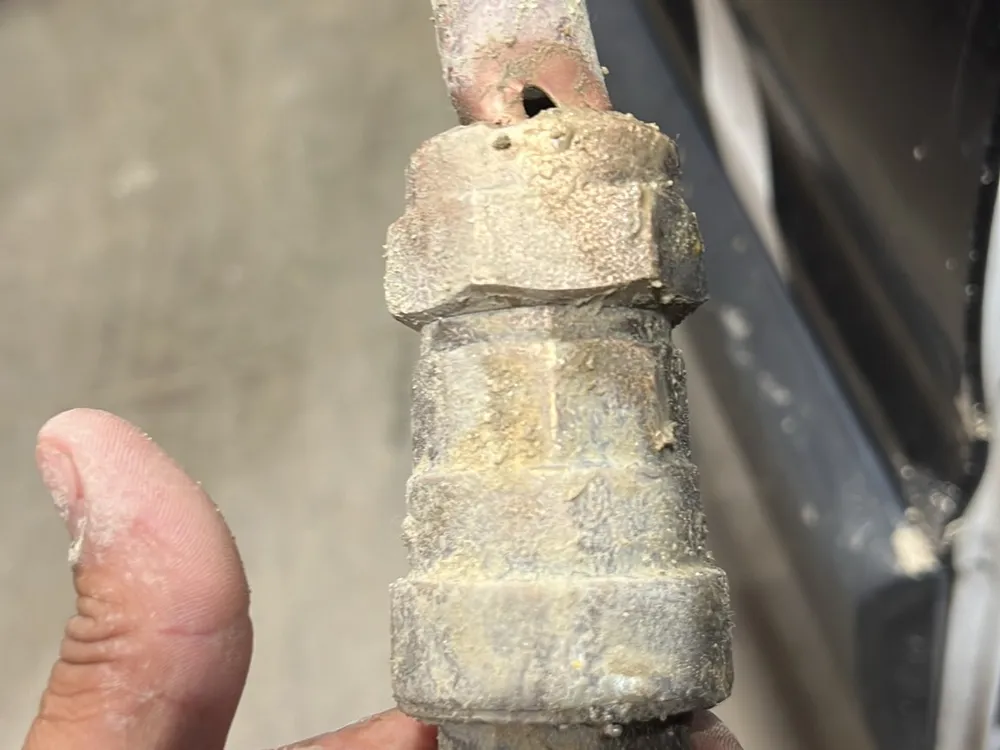
Repiping & Old Iron Pipe Replacement
Replace corroded galvanized and iron pipe inside occupied homes.
Learn more →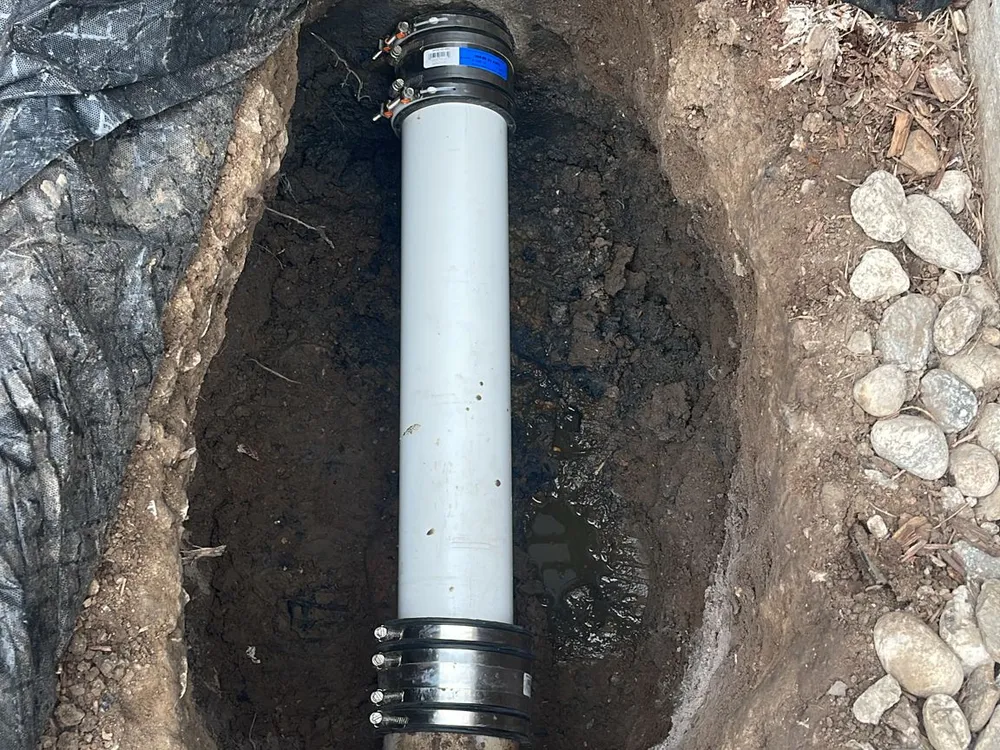
All Sewer & Water Line Services
Excavation and replacement of sewer, drain and water lines, including old clay and iron pipe.
Learn more →Restore your water pressure
Describe the low pressure, rusty water or leak you are seeing and we will explain your options.
¿Prefiere español? Llame al (720) 309-4181.