
Clogged Drain Clearing in Denver, CO
A single sink, tub or floor drain that will not clear is a different job from a failing main line. We find where the clog is lodged and clear it without damaging your pipes.
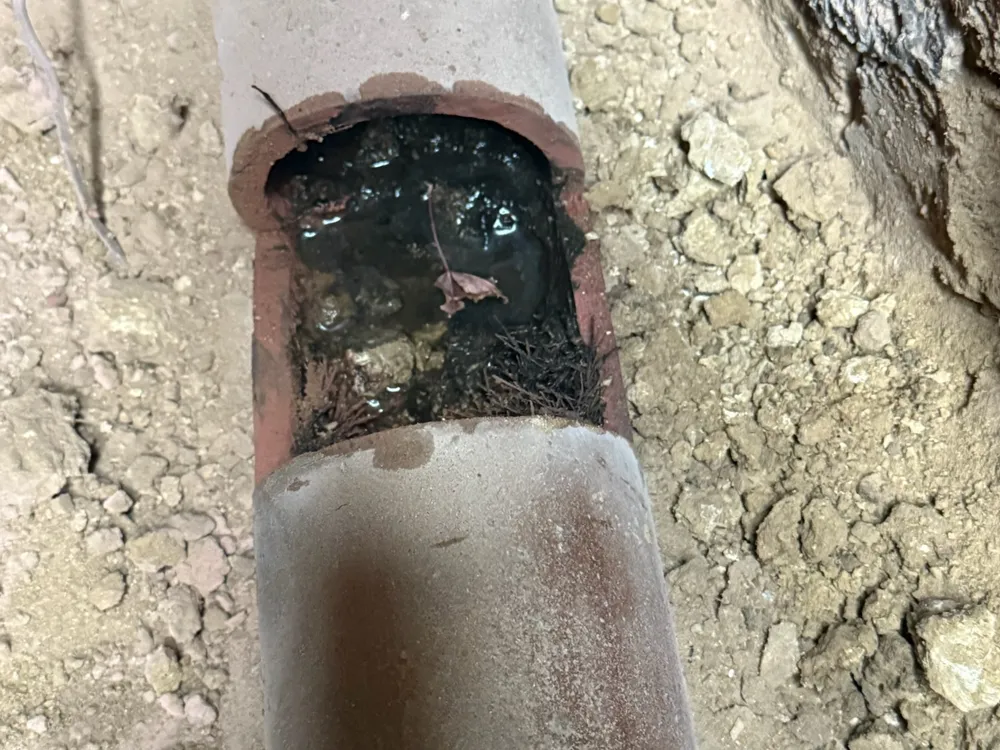
When one drain stops, here is what is going on
A clogged drain is a blockage in the pipe serving one fixture or one branch of your plumbing: the kitchen sink, a bathtub, a floor drain, or the line behind a toilet. Where it sits decides how it should be cleared. A clog in the P-trap under a sink can be cleared by taking the trap apart. One twenty feet down the branch behind a kitchen wall needs a different approach.
The kitchen line is the one we get asked about most. Grease poured down the sink cools inside the pipe, narrows it, and catches food and soap. Bathtub and shower drains clog with hair and soap scum, and floor drains in basements and garages collect lint, sediment and sometimes roots from the yard.
Our aim is to clear the clog in a way that does not damage the pipe or push the problem further down the line. Older galvanized and cast iron drains can be rough inside and easy to scratch or break with the wrong tool, so the method has to match the pipe.
Which drain is clogged, and what it tells us
Where the symptom shows up points to where the clog is.
- Kitchen sink drains slowly, then stops. Typically grease and food buildup in the kitchen branch line, often beyond the trap.
- Tub or shower holds water around your ankles. Hair and soap scum packed near the drain, or lower in the branch line.
- Toilet bubbles when the tub or sink runs. A shared branch is restricted, so air and water are pushing through the wrong place.
- Floor drain smells or backs up when the washer runs. It is tied to a line that is partly blocked. Check whether other fixtures are slow too.
- Water drains, but only after a long wait. A partial blockage, usually the earliest warning before a complete stop.
How we clear a clogged drain
Identify the fixture and branch
We confirm which drain is clogged and whether anything else on the same line is slow, so we know how far down the pipe the blockage sits.
Start at the trap
If the problem is the trap or a nearby section, we clear it by hand. Reaching deeper only happens if it needs to.
Clear the branch line
When the clog is deeper, we work through the branch line carefully, matching the method to the pipe material so we do not scratch or crack older pipe.
Test and explain
We run water for several minutes to check for a full, steady flow. We tell you what caused the clog and what you can do, such as changing grease habits, to keep it from coming back.
What decides the cost of clearing a clogged drain
Clearing a clogged drain is priced by how far into the pipe we have to go and what the pipe is made of:
Fixture type
Kitchen lines, tubs, toilets and floor drains connect to the system differently, and the work differs.
Depth of the clog
A blockage at the trap is minor. One in the branch behind a wall or under a slab takes more time.
Pipe condition
Brittle or corroded pipe calls for a gentler approach, and sometimes a repair conversation.
Repeat clogging
If the same drain has clogged several times, a single clearing may only be a stopgap, and we will quote the longer-term option alongside it.
Why call Perez Plumbing for a clog
Jaime has spent years opening and replacing drain pipe in occupied homes, which makes a clog easier to read: he knows what a rough cast iron wall feels like and what a collapsed clay joint does to water flow. If a clog turns out to be a symptom of a bigger pipe problem, you hear it from someone who can also fix it.
You will not get a pitch for a repair you do not need. If clearing the drain solves it, that is what we do.
Where we do this work
Clogged drain calls come from across the Denver area. We serve Denver and nearby Englewood, Littleton, Lakewood and Aurora.
Clogged Drain Clearing questions, answered
Can I clear a kitchen sink clog myself first?
A plunger and taking apart the trap under the sink are safe first steps. Avoid chemical drain openers and forcing metal cables into old pipe. If the sink still drains slowly after the trap is clear, the blockage is further along the line.
What should never go down a kitchen drain?
Cooking grease and oils, coffee grounds, eggshells and starchy foods such as rice and pasta. Grease is the biggest cause of kitchen line clogs, because it hardens as it cools inside the pipe.
Why does my basement floor drain back up?
A floor drain connects to your main sewer line or a branch near it, so when the line is partly blocked, the lowest drain shows it first. If it happens while other fixtures drain normally, we start at the floor drain and its trap.
My toilet and tub both gurgle. Is that one clog?
Probably. Fixtures on the same branch share a vent and a drain, so a blockage there shows up in more than one place. Tell us which fixtures are affected when you call.
Is a clog the same as a collapsed pipe?
No. A clog is a blockage inside a working pipe. A collapse or break is damage to the pipe itself. Both can look the same at first, which is why we explain what we find.
Often needed alongside clogged drain clearing
Clear the clog and keep it clear
Describe the drain that is giving you trouble and we will tell you what it takes.
¿Prefiere español? Llame al (720) 309-4181.