
Repipe & Old Iron Pipe Replacement in Denver, CO
Corroded galvanized and iron pipe restricts flow, stains water and leaks at old joints. We replace it inside occupied homes, section by section or whole house.
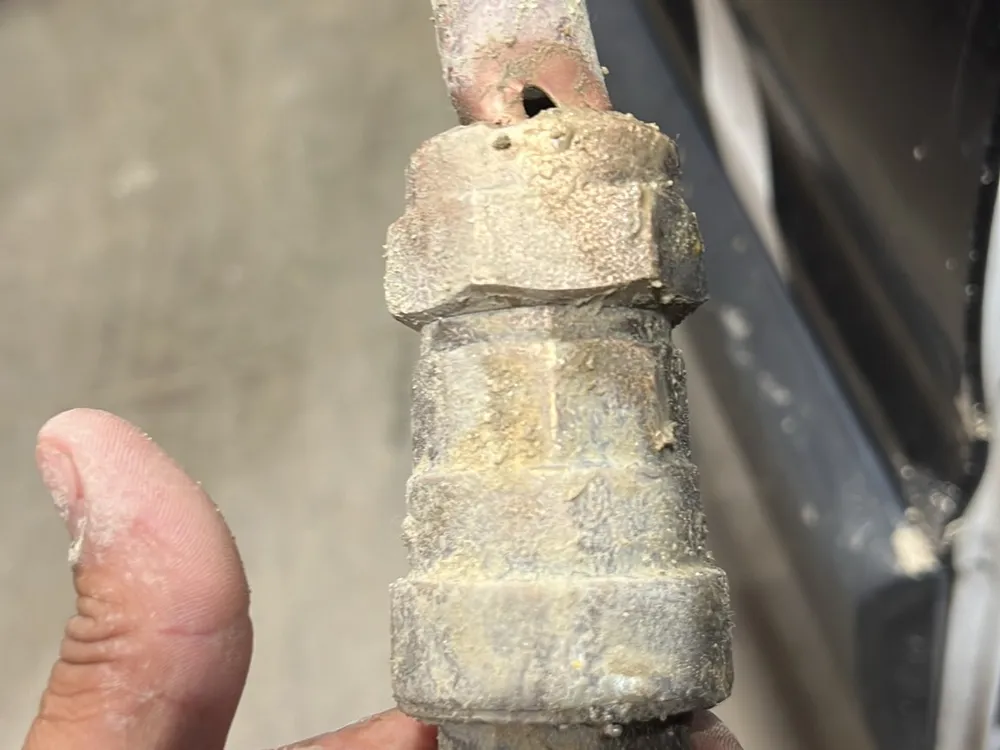
Taking old iron pipe out of an occupied home
Repiping means replacing the pipes that run through your walls, floors and crawl space with new pipe. In older homes the usual target is galvanized steel supply pipe, common in houses built up to the middle of the last century, and cast iron drain pipe. Both corrode from the inside: galvanized pipe narrows as rust and mineral buildup closes it up, which is why water pressure fades over the years.
In Denver's older neighborhoods, a house can contain pipe from several eras at once: original iron, copper added in a past remodel, and plastic patched in at the kitchen. Replacing only the section that is leaking now can leave you with another failure next year, which is why we look at what runs through the rest of the house before recommending a scope.
The work happens inside a home where people live, so planning matters: which walls need to be opened, when the water will be off, and how to keep the house usable. We replace corroded pipe with modern materials and talk through which sections need to be done now and which can wait.
How to tell if your house still has old iron or galvanized pipe
A few quick checks can tell you what you have:
- A magnet sticks to the exposed pipe. Galvanized steel is magnetic. Copper and PEX are not. Check any exposed supply pipe in the basement or utility room.
- Gray threaded pipe with rusty joints. Galvanized supply lines are dull gray with threaded fittings, often orange at the connections.
- Low pressure that has faded over years. The pipe walls build up with rust and mineral deposits, narrowing the opening.
- Rusty or brown water after the water has sat. Corroded steel releases rust when water stands in it overnight.
- Pinhole leaks or damp spots on old pipe. Corrosion eats through the pipe wall from the inside, often first at fittings.
- Slow drains and sewer smell in a house with original cast iron drains. Old cast iron can scale up inside or crack at the joints.
How we replace old iron pipe in an occupied home
Survey the pipe
We trace what runs where, identify the materials, and decide with you whether it is a single section or the whole house.
Plan the access
We decide where walls, floors or ceilings need to be opened, aiming for the least disruption, and explain how long the water will be off each day.
Cut out and replace
Old pipe is cut out and replaced with new piping, section by section, with new shutoff valves where they help.
Test before closing up
We pressure test the new piping and check every connection before any wall is closed, then clean up the work area.
What affects the cost of repiping
Repiping is priced by the scope and by how hard the pipe is to reach:
How much pipe is being replaced
A single leaking run costs less than every supply line in the house.
Access
Pipes in an open basement ceiling are easier to reach than pipes inside finished walls or under a slab.
Number of fixtures
More bathrooms, kitchens and laundry connections mean more branches to replace.
Finish work after opening walls
Patching and painting drywall is generally a separate trade, and we tell you what we leave open.
Permits
Larger repipes typically require a permit and inspection, which we plan for.
Why Perez Plumbing for repiping
Pulling out iron pipe inside an occupied home is a specialty: you are working around furniture, finished walls and a family that needs water at night. It is work Jaime does regularly, and it shows in the planning.
He will also tell you what he would not replace. Pipe that is still in good shape does not need to go, and a phased plan can spread the cost.
Where we do this work
We replace old iron and galvanized pipe in Denver's older neighborhoods and in nearby Lakewood, Englewood, Littleton and Aurora.
Repiping & Old Iron Pipe Replacement questions, answered
Do I need to repipe the whole house or just the leaking section?
It depends on the pipe's condition. If the rest of the piping is the same age and material, it will likely have the same problems soon. We look at the whole system and give you the choice of a full or a phased approach.
How long will my water be off?
For most repipes, water is shut off for part of each working day and restored at the end of the day, though it depends on the scope. We give you a plan for each day with the quote.
What will the new pipe be made of?
Modern replacement supply piping is typically copper or PEX, and replacement drain piping is typically PVC or ABS. We go over the options for your house when we quote.
Will you have to open my walls?
Often some access is needed. We try to use existing openings, basement ceilings and crawl spaces first, and we tell you where walls need to be opened before we start.
How do I know if my pipes are galvanized?
A magnet will stick to galvanized steel but not to copper or plastic. Galvanized is dull gray with threaded fittings. If you are not sure, we can identify it for you.
Is cast iron drain pipe a problem?
Cast iron lasts for decades, but it can scale up inside and crack or leak at joints with age. We look at its condition and tell you whether replacement makes sense.
Often needed alongside repiping & old iron pipe replacement
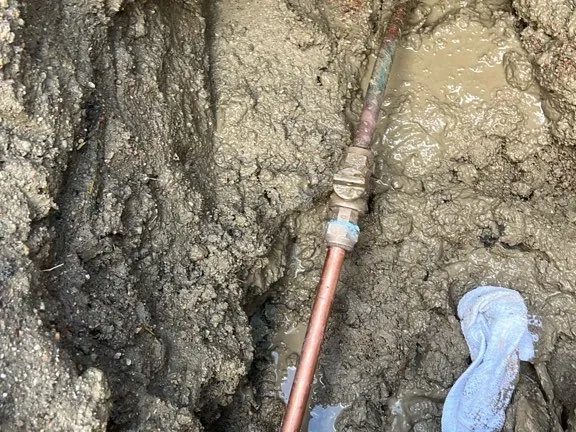
Water Line Replacement
Restore pressure and stop leaks with a new line from the street to the house.
Learn more →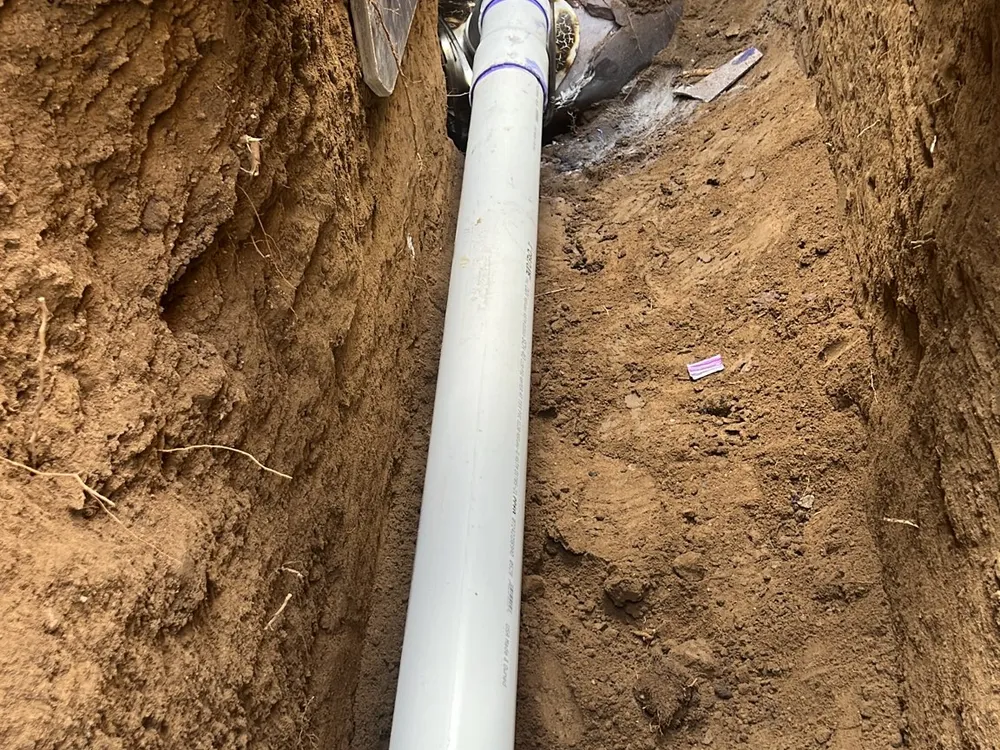
Sewer & Drain Line Replacement
Replace failing clay or iron lines with new PVC, properly sloped and bedded.
Learn more →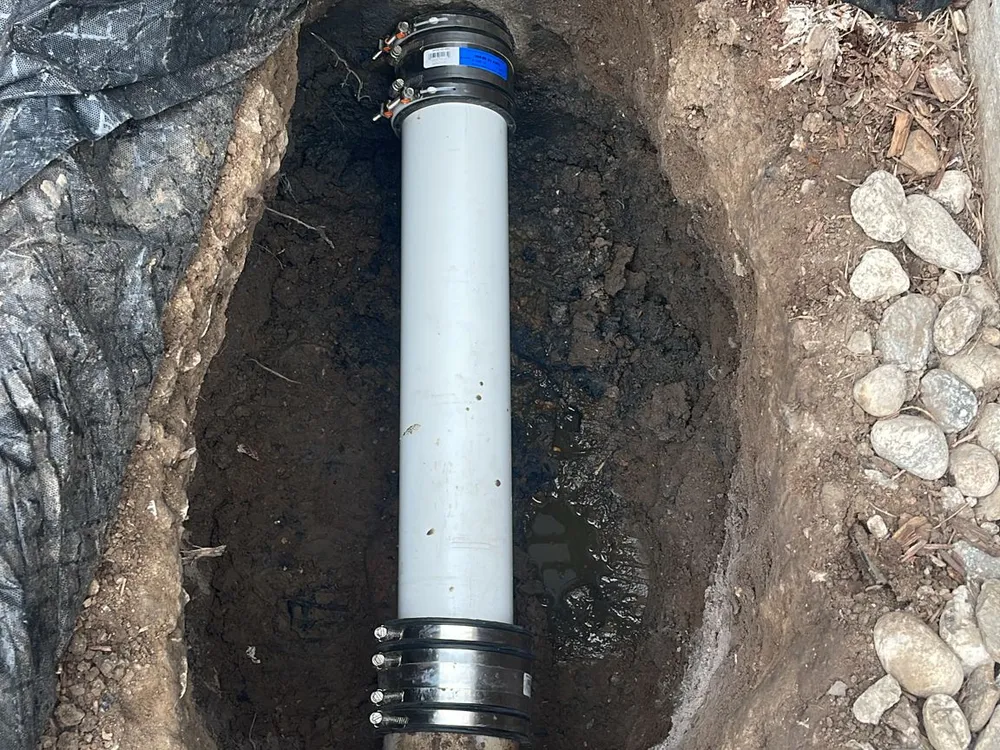
All Sewer & Water Line Services
Excavation and replacement of sewer, drain and water lines, including old clay and iron pipe.
Learn more →Replace the old pipe before it fails
Tell us about the house, what pipe you think it has, and what is going wrong.
¿Prefiere español? Llame al (720) 309-4181.