
Shower Installation in Denver, CO
A new shower needs the plumbing done right behind the wall: the valve, the drain and the connections you will never see again. We handle the plumbing so the shower works and does not leak.
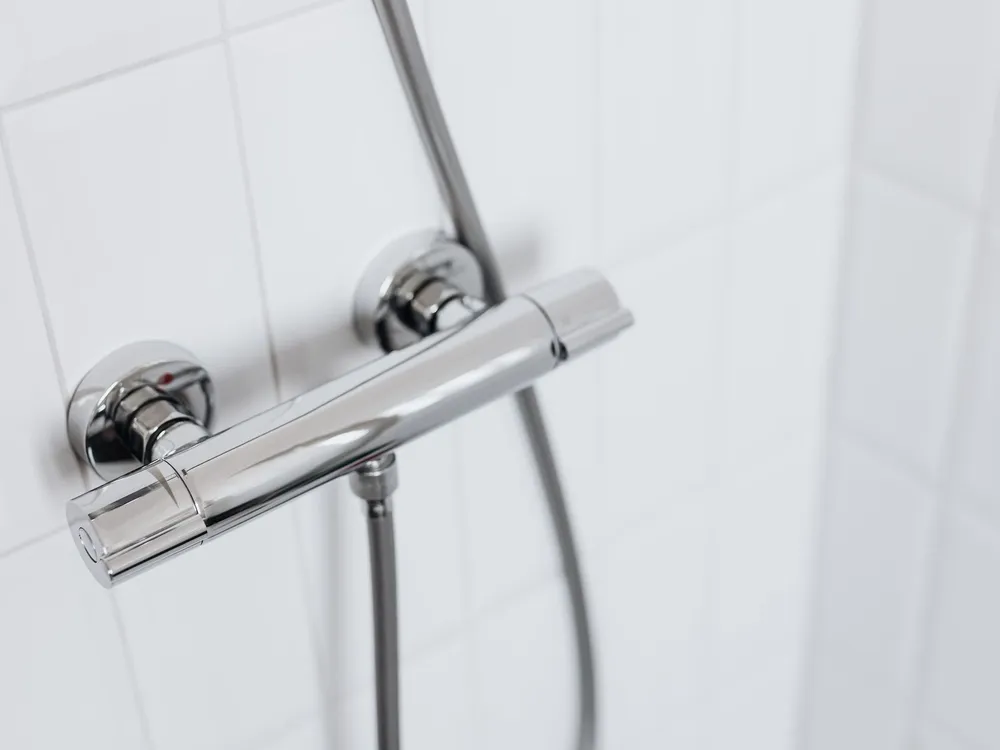
The plumbing behind a shower is the part that has to be right
Shower plumbing is mostly hidden: once the wall is tiled and the base is set, you cannot get back to the valve or the drain without cutting it open. That makes it a job where small mistakes become expensive ones. A valve set too deep or too shallow for its trim will not fit. A drain that is not sloped or connected properly leaks under the shower floor.
Installing a shower means the supply side (hot and cold lines to a mixing valve and up to the showerhead), the drain side (a trap and a drain line that connects to your house waste line), and the connection between the two and the shower pan or base.
In older Denver homes, a new shower often means dealing with what is already in the wall: galvanized supply lines, a tub drain that does not match the new base, or a vent that was never done to current code. We assess those before the new shower is built over them.
When a shower needs new plumbing, not just new fixtures
- Water temperature swings when someone flushes or runs a tap. An old valve that is not pressure-balancing can scald or chill you.
- Low flow or weak pressure at the showerhead. Corroded supply lines or a clogged valve are common causes.
- Water stains in the ceiling below or on a nearby wall. A leak in the pan, drain or valve connection.
- A handle that will not shut off, or drips from the head. The cartridge or the valve body is worn.
- A remodel that changes the shower's location or type. Moving a shower or converting a tub to a shower changes the drain and supply layout.
How we plumb a new shower
Plan the layout
We confirm where the valve, showerhead and drain go, the rough-in measurements for the fixtures you chose, and what is behind the wall.
Rough in the supply and drain
We run the hot and cold lines to the valve and showerhead and set the drain at the right height and slope.
Test before the wall closes
We pressure test the supply lines and test the drain before any tile or panel goes up.
Install the valve trim and fixtures
After the finish work, we install the trim and showerhead and check temperature, flow and leaks.
What affects the cost of installing a shower
Shower installation cost depends on how much of the plumbing changes:
New or replacement
Replacing a valve and trim in an existing wall is smaller than building a new shower from the studs out.
Moving the drain or supply
Relocating plumbing adds labor, and sometimes opening floors or walls.
Type of valve and fixtures
Thermostatic valves and multi-head systems cost more than a standard single-handle valve.
Access
An access panel behind the shower or an open basement below makes the work simpler.
Timing with other trades
The plumbing has to be in and tested at the right point in a remodel, before tile and finish work.
Why Perez Plumbing for shower installation
We do the plumbing part of your shower: valve, drain, supply lines and fixtures. That is the part that has to be right, and Jaime pays attention to the details a tile setter will never see.
If you are working with a remodeler or a tile contractor, we are happy to work around their schedule, so the plumbing is in and tested when they need it.
Where we do this work
We install showers in Denver and in nearby Lakewood, Littleton, Englewood and Aurora.
Shower Installation questions, answered
What type of shower valve should I choose?
Code requires showers to have a pressure-balancing or thermostatic valve to guard against scalding when water pressure changes. Thermostatic valves hold temperature more precisely. We help you choose within your budget.
Can you install a shower if someone else is doing the tile?
Yes. We do the plumbing and leave the tile and finish carpentry to your tile contractor or remodeler. The valve and drain need to be in and tested before the wall is finished.
Can you convert my tub to a shower?
Often yes. The drain is typically moved or changed, and the valve and supply lines may be updated. We look at your layout and tell you what is involved.
How high should the showerhead be?
A typical showerhead sits about 78 to 80 inches above the floor and the valve about 48 inches, though it depends on the people using it. We set the rough-in for the trim you choose.
What if my existing shower leaks?
A leak can come from the valve, the drain or the pan. We find the source, since fixing the wrong part only delays the damage.
Often needed alongside shower installation
Plumb the new shower right
Share the plans for your shower and we will quote the plumbing.
¿Prefiere español? Llame al (720) 309-4181.