
Water Heater Repair in Denver, CO
No hot water, a pilot that will not stay lit, or a tank that rumbles and drips? We find the fault and tell you honestly whether to repair the heater or replace it.
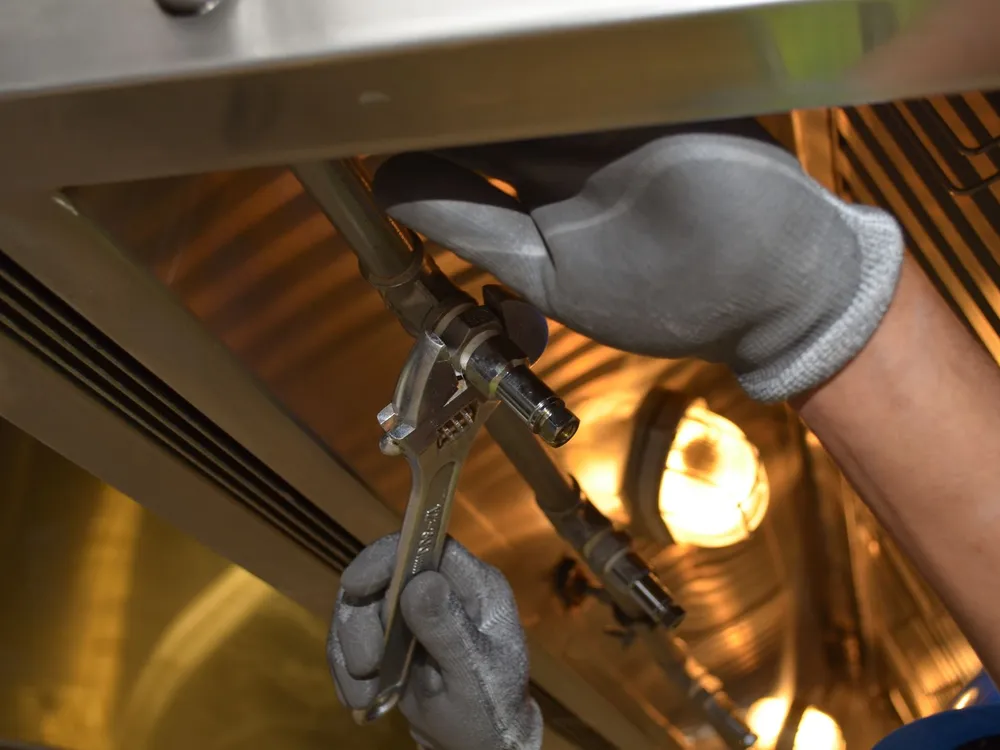
Repair it, or replace it: knowing which is the job
Water heater repair starts with a question: is it the heater, or something around it? Many "broken water heater" calls turn out to be a failed heating element, a bad thermostat, a thermocouple that has stopped sensing the pilot, or a relief valve that is weeping, all of which can be fixed without replacing the tank.
Other failures are the end of the road. A tank that leaks from its body, rather than from a fitting, has corroded through, and no repair will hold. Telling the two apart is the whole job, and getting it wrong costs you either money on a repair that will not last or a tank thrown out too early.
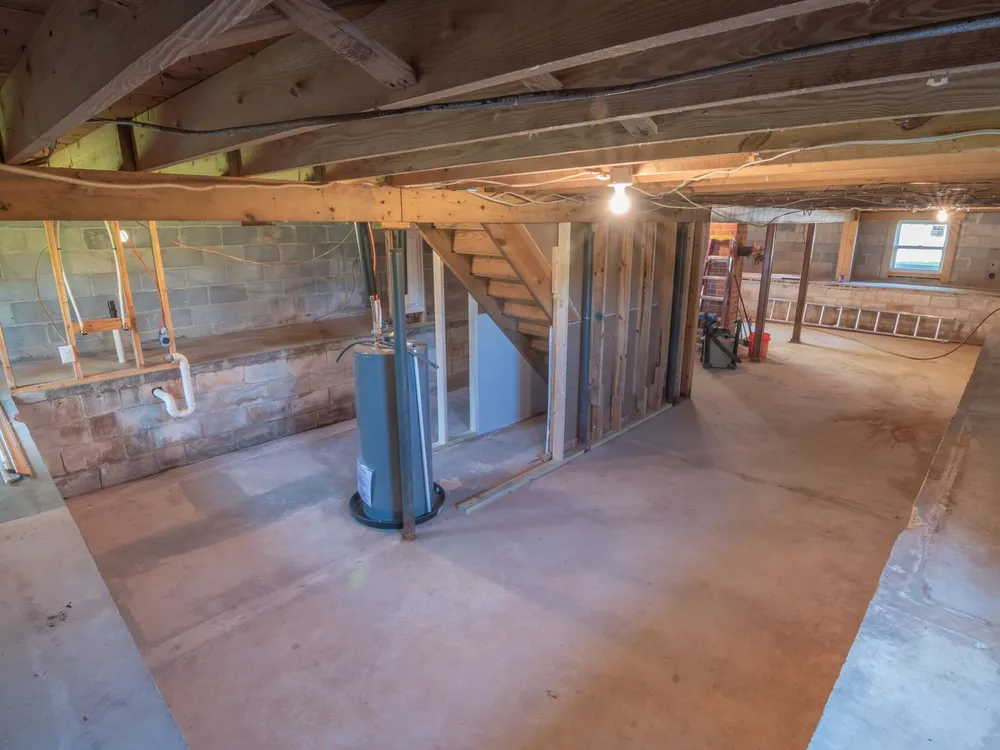
In Denver, many water heaters sit in basements or garages where the first sign of trouble is not a cold shower but a damp floor or a metallic smell, so it is worth glancing at the base of the tank from time to time.
Symptoms and what they usually mean
- No hot water at all. On electric units, often a tripped breaker or a failed element or thermostat. On gas units, a pilot or thermocouple problem.
- Lukewarm water, or it runs out quickly. A failed lower element, a sediment-filled tank or a dip tube problem can cut the supply.
- Rumbling or popping from the tank. Sediment hardened at the bottom of the tank traps water that boils and pops.
- Dripping from the relief valve. The valve may be reacting to excess pressure, or it may be worn. It should be checked, never capped.
- Water around the base. Check whether it comes from a fitting (fixable) or from the tank body (replace).
- Pilot light will not stay lit. Often a worn thermocouple, or a draft or gas supply problem.
How we diagnose and repair a water heater
Find out what happened
We ask what you noticed and when: no hot water, a noise, a smell, a leak. Timing and symptoms narrow the cause.
Check power, gas and safety devices
We check the breaker or gas supply, the thermostat settings, the pilot and thermocouple, and the relief valve, which are the common failure points.
Test the heating components
Where the symptoms point to it, we test the element or burner assembly to confirm which part has failed.
Repair or recommend replacement
If a part will solve it and the tank is sound, we repair it. If the tank has failed, we tell you, and you decide whether to replace.
What affects the cost of a water heater repair
A water heater repair is priced by what failed and what it takes to reach it:
The part that failed
A thermostat, element, thermocouple or relief valve each cost different amounts, and some heaters need a part ordered.
Age and condition of the heater
On an older tank, we weigh whether the repair is worth it compared with replacement, and we say so.
Gas or electric
Gas units add pilot, gas valve and venting checks that electric units do not.
Access
A heater in a tight closet or a low crawl space takes longer to work on.
Why Perez Plumbing for water heater repair
The honest advice with water heaters is rarely the most profitable: sometimes the best answer is an inexpensive part, and sometimes it is a new tank. Jaime tells you which, and shows you what he is looking at.
Because he also installs water heaters, a repair recommendation comes with a realistic view of what a new one would involve, so you can compare the two with real numbers.
Where we do this work
We repair water heaters in Denver and the nearby cities of Aurora, Lakewood, Littleton and Englewood.
Water Heater Repair questions, answered
Is it worth repairing an old water heater?
If the tank itself is sound and the problem is a single part, a repair can add years. If the heater is past about ten years and the repair is substantial, replacement is often the better value. We will give you both options.
Why does my water heater make popping or rumbling noises?
Usually sediment settled on the bottom of the tank. The water trapped under it heats up and bubbles through. Flushing the tank can help, but heavy buildup can mean the tank is nearing the end of its life.
Why is my relief valve dripping?
It may be opening to relieve excess pressure or temperature, or it may be worn. Do not plug it. The valve is a safety device, and a dripping one should be checked.
My water heater is leaking. Can it be repaired?
It depends on where the water is coming from. A leak at a fitting, valve or drain valve can often be repaired. A leak from the tank itself means the inner tank has corroded through, and the heater needs to be replaced.
What should I check before I call?
On an electric unit, make sure the breaker has not tripped. On a gas unit, check that the pilot is lit and the gas valve is on. Note any noises, smells or water on the floor, which help us find the cause faster.
Often needed alongside water heater repair
Get your hot water back
Describe what your water heater is doing and we will tell you what it takes to fix it.
¿Prefiere español? Llame al (720) 309-4181.