
Sewer Line Replacement in Denver, CO
When a sewer or drain line has cracked, collapsed or filled with roots, cleaning only buys time. We dig it up, replace it with new PVC and put the area back in order.
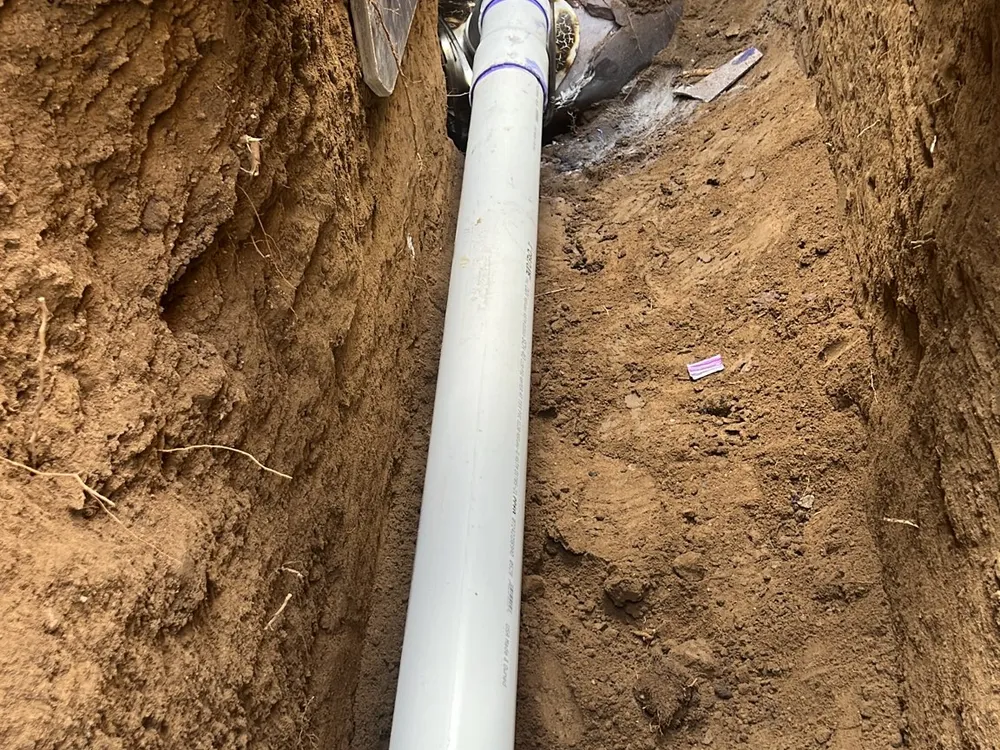
Replacing a failed sewer or drain line, start to finish
The sewer line, or drain line, is the buried pipe that carries everything from your house to the municipal main. When it fails, the symptoms rarely stay in the yard: slow drains throughout the house, gurgling, sewage smells, and eventually a backup into the lowest drain. Replacement means exposing the pipe, removing the damaged section or the whole run, and laying new pipe in its place.
Much of Denver's older housing was built with vitrified clay sewer pipe or cast iron, installed in short sections joined at the seams. Those joints are where roots get in and soil shifts them out of line, and over many decades the pipe cracks or breaks. The expansive clay soils common along the Front Range move with moisture, which can pull a rigid line out of alignment even without roots.
New lines go in as PVC, which has smooth walls and long sections with far fewer joints, set in a gravel bed with the slope drainage requires. We also handle the details that decide whether the job is clean: locating buried utilities first, protecting the surrounding area, and restoring the surface once the pipe is in and tested.
Signs your sewer line may need replacing
- Backups that return after cleaning. A line that clogs repeatedly, even after it has been cleared, often has a break, a low spot or roots at a joint.
- Multiple drains slow or gurgling. Problems in more than one fixture point away from a single branch and toward the main line.
- Sewage smell in the yard or basement. A cracked line leaks gas and wastewater into the soil.
- Soft, sunken or unusually green patches along the line path. Wastewater escaping from the pipe waters the soil above it, and sinking is the soil settling into a void.
- A camera inspection showing a crack, low spot or collapse. If a drain company has already inspected the line and found damage, replacement is usually the lasting fix.
- A home built before the 1960s with the original clay or cast iron line. Age alone does not mean failure, but these are the lines that fail most often.
How a sewer line replacement is done
Locate and plan
We confirm where the line runs and where it fails. Before any digging, buried utility lines are marked through Colorado 811, which is required before excavation.
Excavate to the pipe
We open a trench along the line, or at the failed section, taking care around foundations, fences and landscaping.
Remove old pipe, lay new PVC
The damaged clay or iron comes out. New PVC goes in on a bed of gravel at the right slope, with joints sealed and a cleanout installed where access is needed.
Test and tie in
We confirm the line carries water freely and the connections at the house and at the main are sound. Where the work requires an inspection, we arrange it.
Backfill and restore
The trench is backfilled and compacted, and soil, concrete or a floor slab is put back or patched so you can use the area again.
What affects the cost of a sewer line replacement
Replacement is quoted per job because no two lines are alike. These are the factors that move the price most:
Length and depth of the line
A short run at shallow depth is a smaller job than a long run buried deep.
What is on top of it
Soil is easier than a driveway, patio or interior slab, and surface restoration is part of the price.
Access
A line along an open side yard is simpler than one running tight against a foundation or under a structure.
Where the connection is
Tying into the city main, a cleanout or an existing line affects the scope.
Permits and inspection
Local permit and inspection requirements vary by city and add to the schedule.
Why Perez Plumbing for sewer line replacement
Replacing a sewer line is the work Jaime knows best: digging it, cutting out the old pipe, laying new PVC at the right slope, and finishing the job so the trench does not turn into a sunken strip in your yard a year later.
He explains what he finds in the trench and what each option costs. If a spot repair will do the job, you will hear that. If the whole run is failing, you will see why.
Where we do this work
We replace sewer and drain lines in Denver, especially in older neighborhoods, and in nearby Lakewood, Aurora, Littleton and Englewood.
Sewer & Drain Line Replacement questions, answered
How do I know my sewer line needs replacing and not just cleaning?
Repeated backups after cleaning, several fixtures slow at once, a sewage smell, or a damaged section seen on an inspection are the main signs. A cleaning that only helps for a few weeks points to damage rather than a plain clog.
Who is responsible for the sewer line, the homeowner or the city?
In most cases the property owner is responsible for the line from the house to the connection with the city main. Check with your sewer provider, since the exact boundary can vary.
Will you have to dig up my whole yard?
Not necessarily. We dig along the path of the failed line, which is often a trench rather than a wide excavation. A failed section can sometimes be replaced without exposing the entire run.
How long does sewer line replacement take?
Many residential replacements take a few days from digging to backfill, depending on length, depth and what has to be restored. We give you a realistic schedule with the quote.
Why is Colorado 811 involved?
Colorado law requires buried utilities to be located and marked before digging. It protects gas, electric, water and communications lines from being struck, and it costs the homeowner nothing.
Will the surface be restored after the work?
We backfill and compact the trench and patch the concrete or flooring we opened. We list exactly what the quote includes, so you know what is and is not covered, such as landscaping.
Often needed alongside sewer & drain line replacement
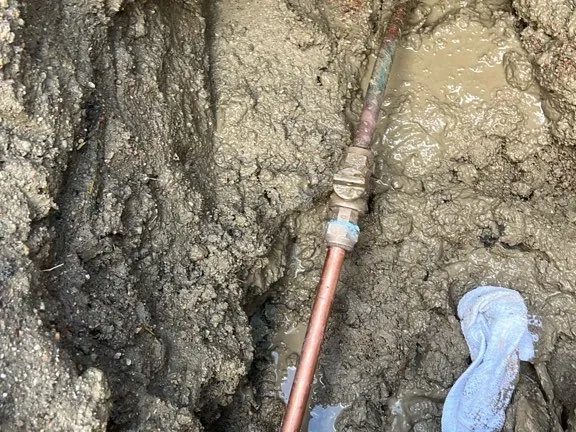
Water Line Replacement
Restore pressure and stop leaks with a new line from the street to the house.
Learn more →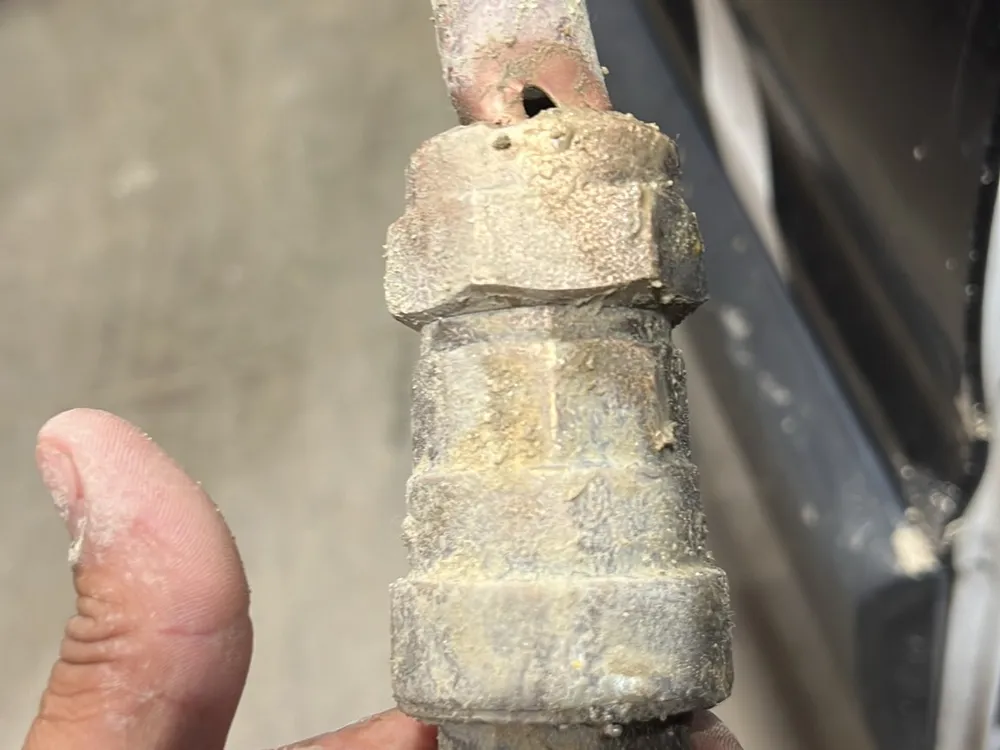
Repiping & Old Iron Pipe Replacement
Replace corroded galvanized and iron pipe inside occupied homes.
Learn more →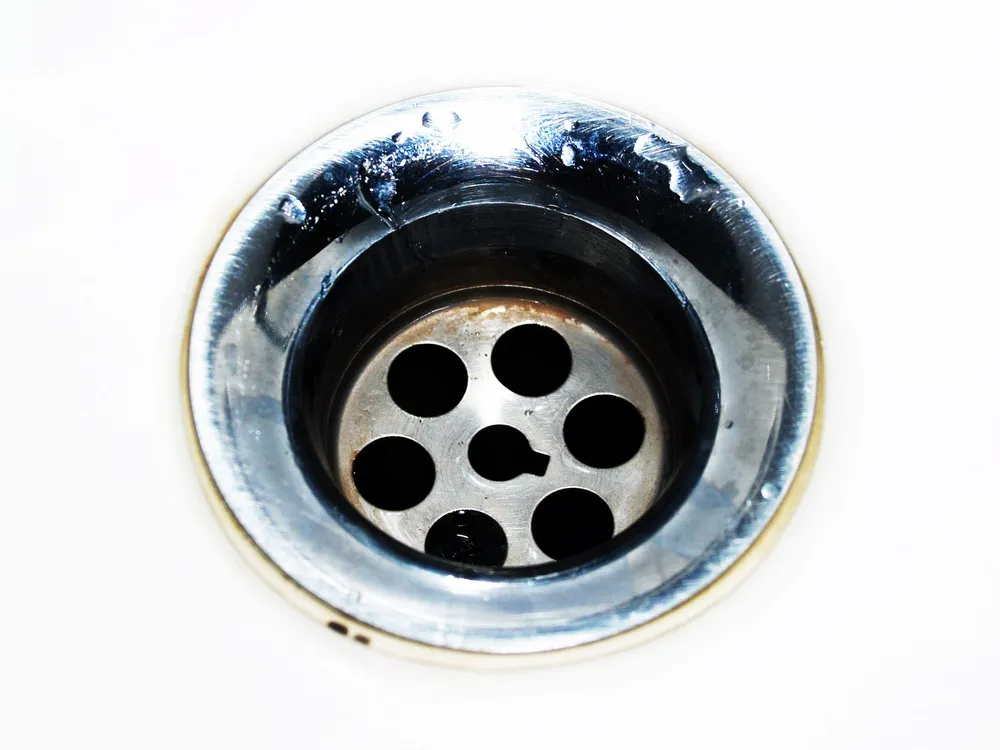
Drain Cleaning
Clear the whole line, not just the first foot of it.
Learn more →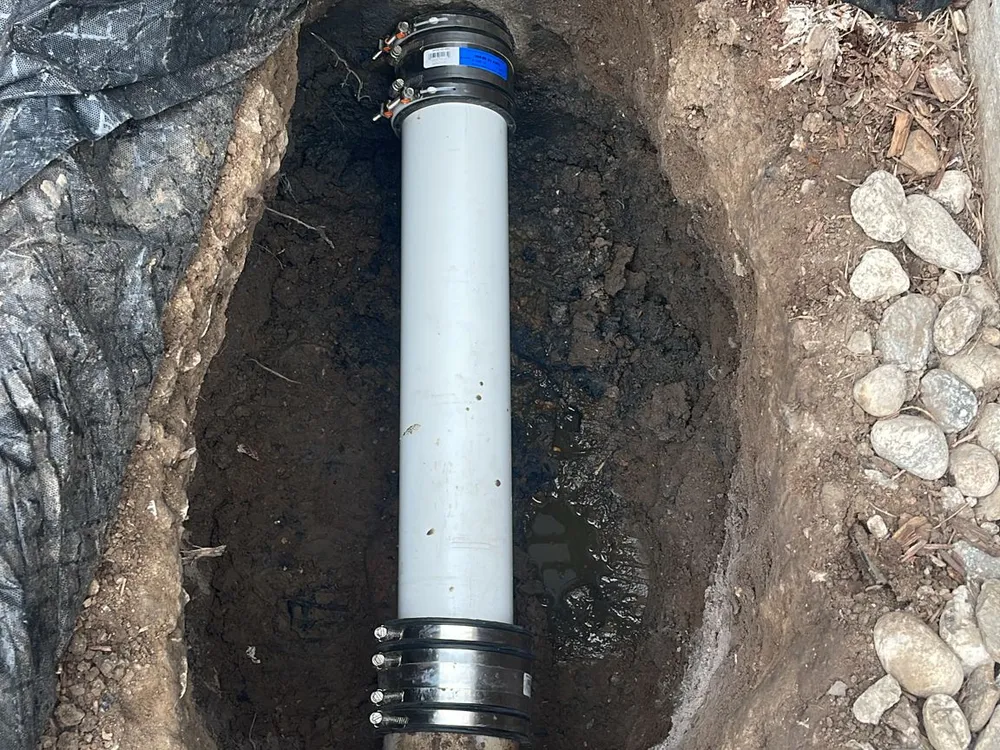
All Sewer & Water Line Services
Excavation and replacement of sewer, drain and water lines, including old clay and iron pipe.
Learn more →Replace the line, end the backups
Tell us what has been happening and we will explain what it would take to replace the line.
¿Prefiere español? Llame al (720) 309-4181.