
Water Heater Installation in Denver, CO
A new water heater should be sized for your household, vented correctly and connected to code the first time. We install water heaters in Denver homes, from basement closets to garages.
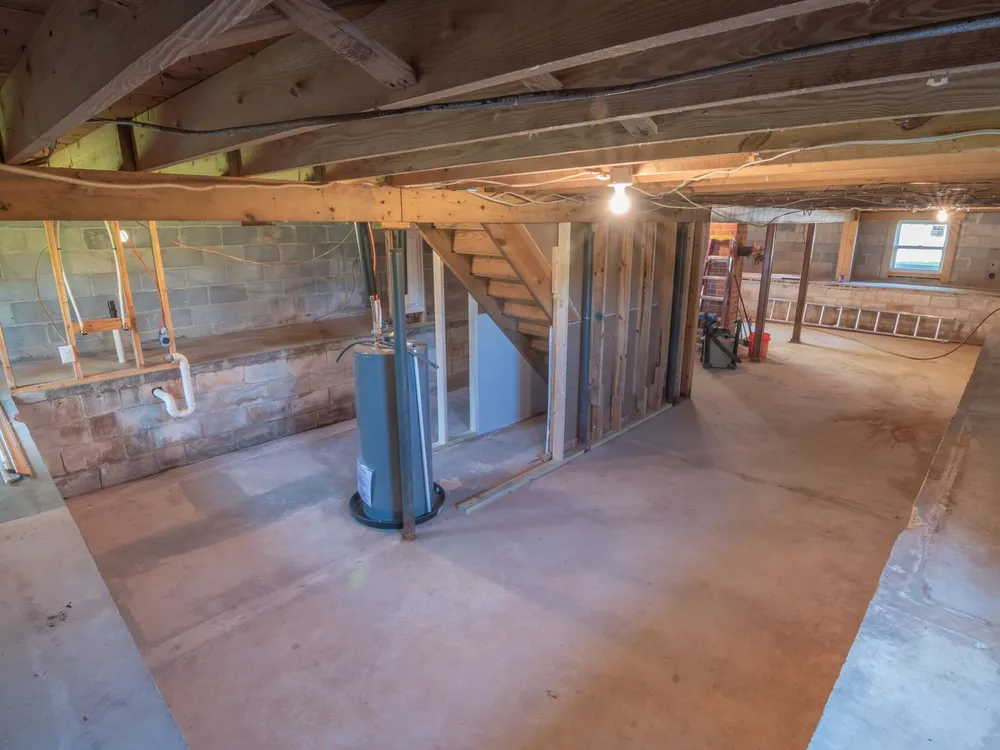
Installing a water heater the way it should be done
Installing a water heater is more than swapping one tank for another. The new unit has to match your household's hot water demand, suit the fuel you have (gas or electric), vent exhaust gases safely if it burns gas, and tie into the water, gas and drain lines in a way that meets the local plumbing code.
Most homes we work in have a tank water heater in a basement, utility closet or attached garage. Tank water heaters generally last around ten years, so a heater that is leaking, rusting or well past that age is usually a replacement, not a repair.
Altitude matters here. Denver sits at roughly 5,280 feet, and gas-burning appliances need to be installed according to the manufacturer's instructions for high-elevation operation. Getting that detail right is part of installing the heater properly, not an afterthought.
When it is time to replace the water heater
- Water pooling around the base of the tank. A leak from the tank body means the inner tank has failed. This is a replacement, not a repair.
- The heater is 10 to 12 years old or more. Even without leaks, an old tank is on borrowed time, and sediment makes it less efficient.
- Rust-colored hot water. Corrosion inside the tank can discolor water. Check the cold taps too, to tell the tank from the pipes.
- Not enough hot water for the household. Needs may have grown since the heater was installed, and a different size can solve it.
- Repeated repairs. When repair bills start adding up, a new unit is often the better value.
How a water heater installation works
Confirm size and fuel
We check what you have now, how many people use it, and whether the space and the fuel supply suit a like-for-like replacement or call for a change.
Shut off and drain the old tank
We shut off the water and the gas or power, drain the old tank, disconnect it and remove it from the space.
Set and connect the new unit
We set the new heater level, connect the water supply lines and shutoff valves, connect gas or electrical supply, and run a discharge line for the temperature and pressure relief valve.
Vent, test and fire it up
For gas units, we make sure the flue is vented correctly. We check for leaks, restore the supply, bring the heater up to temperature and confirm it is working safely.
What affects the price of a water heater installation
The price comes from the unit itself and the work around it. These are the main drivers:
Tank size and fuel type
A larger gas unit costs more than a smaller electric one, and switching fuel types means more work.
Venting and gas piping
Exhaust venting that has to be modified or a gas line that has to be extended adds labor and parts.
Location and access
A basement with a steep stair or a tight closet takes longer than a garage with a clear path.
Code items and permits
Items such as expansion tanks, relief valve discharge piping and shutoff valves can require upgrades to bring an older install up to current requirements.
Why Perez Plumbing for water heater installation
Water heater work is sensitive to small mistakes: a poorly vented flue, a missing relief valve discharge, a leaky union. Jaime makes the connections himself and checks them before he leaves, so you are not discovering a problem on a cold morning.
You will know what the quote includes: the unit, the connections, and the removal of the old tank. And if the best answer for your home is a repair rather than a new unit, we will tell you.
Where we do this work
We install water heaters in Denver and across the south and west metro, including Englewood, Littleton, Lakewood and Aurora.
Water Heater Installation questions, answered
How long does a water heater installation take?
A like-for-like tank replacement is generally a matter of hours, not days. Changing the fuel type, modifying venting or relocating the heater takes longer.
Should I choose gas or electric?
Usually whichever fuel you already have, since switching adds gas piping, electrical work or venting changes. If you are building or remodeling, we can talk through the options.
What size water heater does my home need?
It depends on how many people live in the home, how many bathrooms you have and when you use hot water. A larger tank is not always better: it costs more to keep hot and takes up more space.
Does a water heater replacement need a permit in Denver?
Water heater replacement typically requires a permit and inspection with the local building department, and requirements can differ between Denver and the surrounding cities. We plan the installation around what your location requires.
What do I do while I wait for the new heater?
If the tank is leaking, shut off the cold water supply valve on top of the heater and turn off the gas or power to it. Then call us. Do not keep running a leaking heater.
How long will my new water heater last?
Most tank water heaters last roughly ten years, depending on water quality and maintenance. Draining the tank now and then to remove sediment helps.
Often needed alongside water heater installation
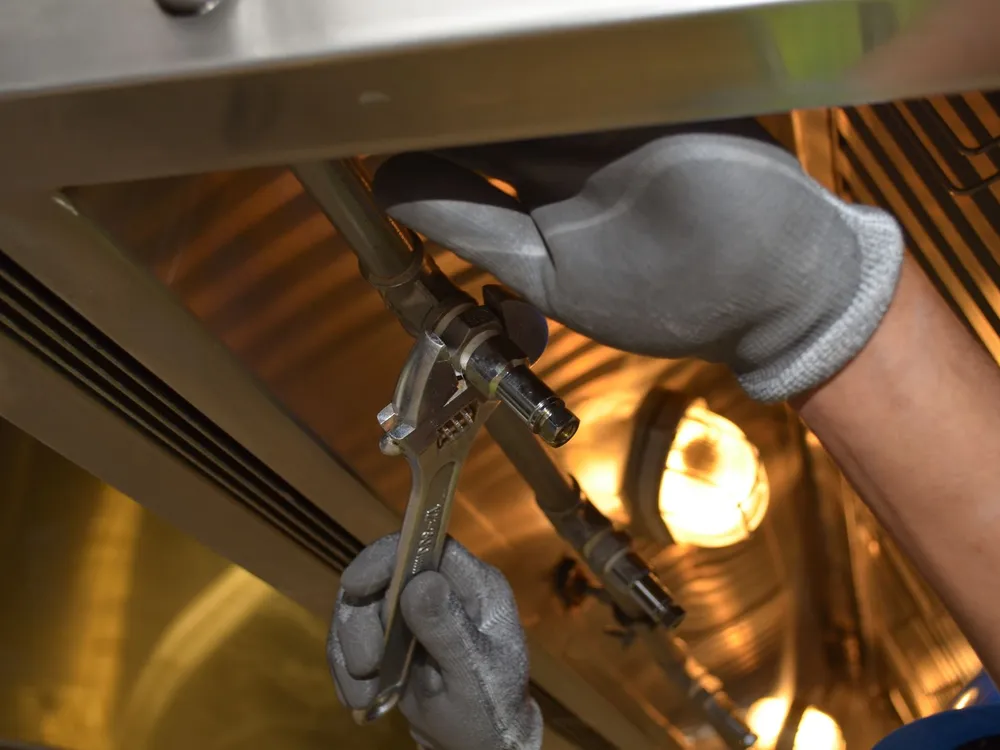
Water Heater Repair
Lukewarm, leaking or noisy tank? Find out if it is a repair or a replacement.
Learn more →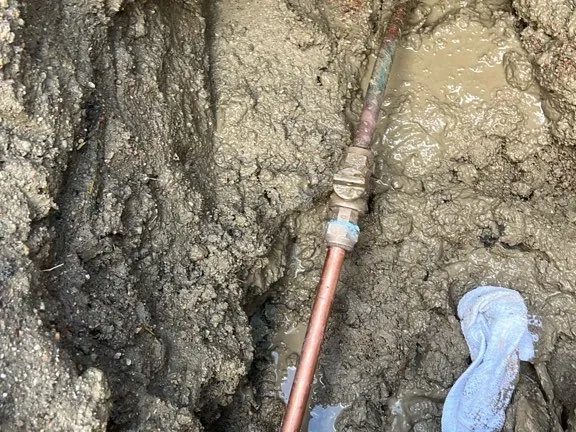
Water Line Replacement
Restore pressure and stop leaks with a new line from the street to the house.
Learn more →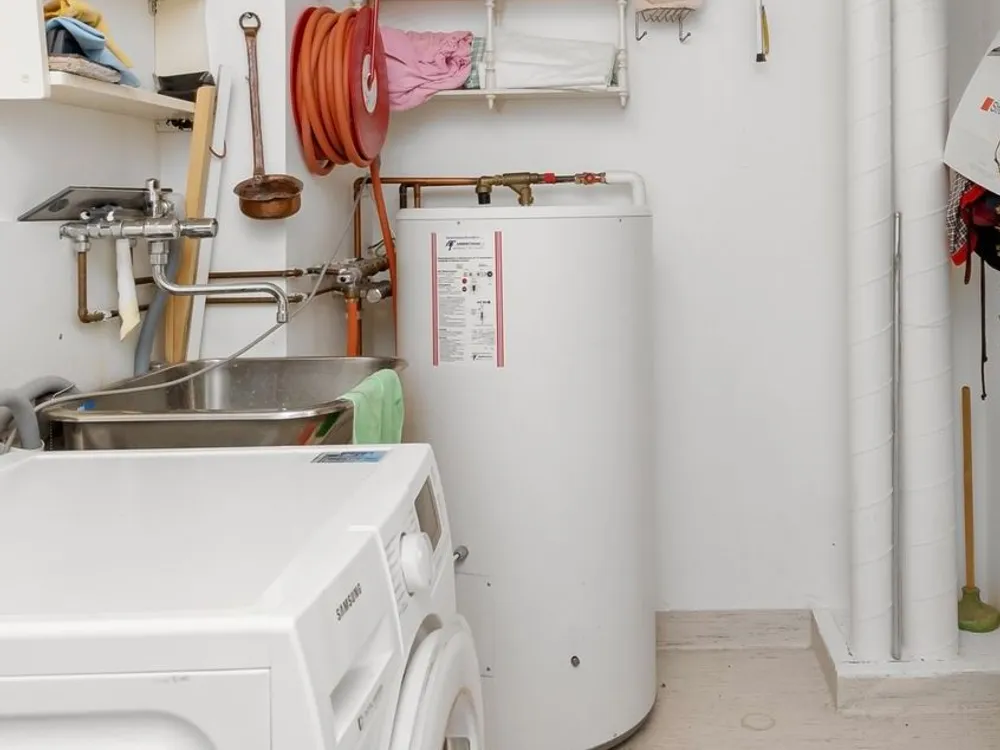
All Water Heaters
Water heater installation and repair for Denver homes.
Learn more →Get a new water heater installed right
Tell us what you have now and what is going wrong and we will quote the replacement.
¿Prefiere español? Llame al (720) 309-4181.